Best Hair Loss Treatment for Women: Complete Guide to Causes, Solutions & Long-Term Care
Hair loss in women can be stressful, emotional, and deeply personal. Many women start searching for the Best Hair Loss Treatment For Women as soon as they notice thinning, excess shedding, bald patches, or sudden texture changes. While hair loss is often associated with men, millions of women experience it too—sometimes gradually, sometimes unexpectedly. The good news is that effective treatments exist, and knowing the right solution for your condition can help you regain confidence and restore your hair’s health.
Women’s hair loss differs significantly from men’s hair loss. It can be caused by hormonal changes, stress, nutritional deficiencies, medical conditions, genetic factors and lifestyle habits. Because of this, women require customized treatment plans that target the root cause, stimulate regrowth, and support long-term scalp health.
This detailed guide explains everything you need to know: causes, symptoms, treatment options, preventive care, and the right approach to achieve long-lasting results.
Understanding Female Hair Loss
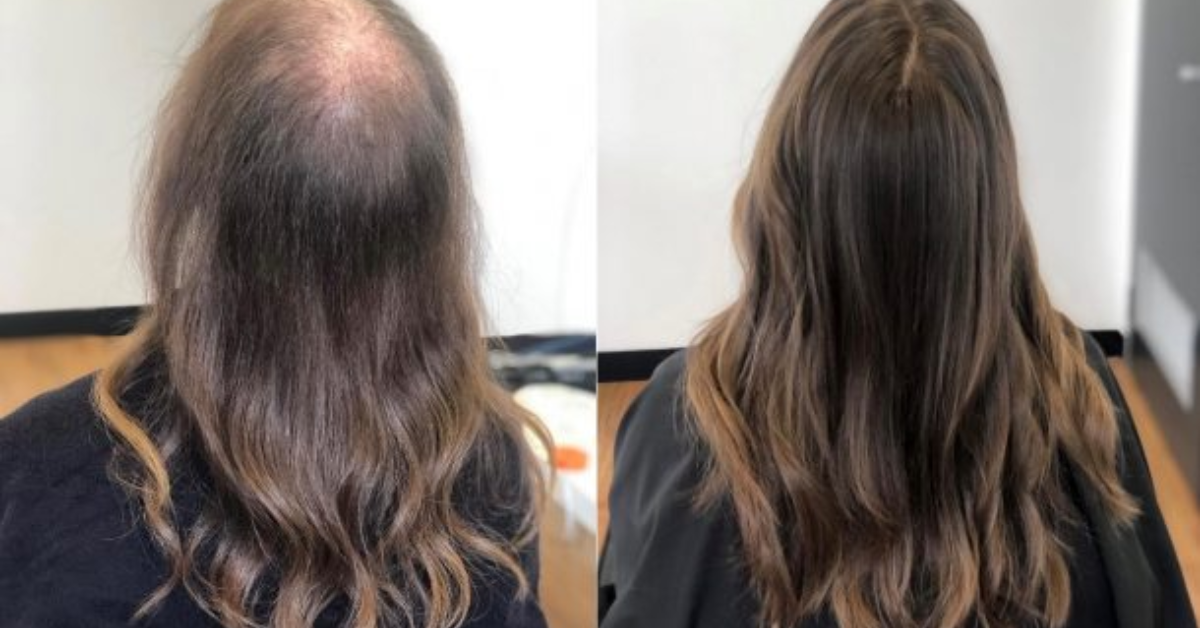
Hair loss in women can happen slowly over time or appear suddenly. Unlike men, women rarely develop complete baldness; the hair usually thins, especially at the crown and parting areas. Identifying the type of hair loss is the first step before choosing a solution.
Common Types of Hair Loss in Women
1. Androgenetic Alopecia (Female Pattern Hair Loss)
-
The most common type.
-
Gradual thinning on the top and crown.
-
Widening hair part.
-
Often hereditary.
2. Telogen Effluvium
-
Sudden excessive shedding.
-
Triggered by stress, illness, childbirth, medication, crash dieting, or hormonal imbalance.
-
Usually reversible with corrective treatments.
3. Alopecia Areata
-
Patchy, round bald spots.
-
Autoimmune-related.
-
Can affect scalp, eyebrows, or eyelashes.
4. Traction Alopecia
-
Caused by tight hairstyles like ponytails, braids, or extensions.
-
The condition can become permanent if not treated early.
5. Hormonal Hair Loss
-
Seen during menopause, postpartum recovery, PCOS, thyroid issues.
-
Results from hormonal disruption affecting the hair growth cycle.
Symptoms of Hair Loss in Women
You may be experiencing hair loss if you notice:
-
Increasing hair fall during combing or washing
-
Visible scalp on the crown
-
Widening of your hair part
-
Thinning ponytail
-
Patchy bald areas
-
Excessive shedding on pillows, floors, and clothes
-
Change in hair texture and volume
Early detection always provides better outcomes because treatment becomes more effective when the condition is in its initial stages.
Major Causes of Hair Loss in Women
Understanding the cause is crucial for finding the best hair loss treatment for women. Common causes include:
1. Hormonal Imbalances
-
Menopause
-
PCOS
-
Thyroid disorders
-
Postpartum phase
Hormones directly influence the hair growth cycle and can trigger thinning or shedding.
2. Stress
Physical or emotional stress can push hair follicles into the resting phase, causing sudden shedding.
3. Nutritional Deficiencies
Lack of iron, vitamin D, B12, zinc, and protein can weaken hair roots.
4. Genetics
Family history plays a significant role in long-term thinning.
5. Medical Conditions
Autoimmune diseases, scalp infections, and chronic illnesses.
6. Hairstyling Habits
Frequent heat styling, harsh chemicals, and tight hairstyles can damage the follicles.
Best Hair Loss Treatment for Women: Effective Solutions
Finding the best hair loss treatment for women requires a personalized approach. Below are scientifically backed and commonly recommended options for restoring hair growth:
1. Trichology-Based Hair & Scalp Treatments
Professional trichology treatment is one of the most effective ways to treat women’s hair loss. These treatments include:
-
Scalp analysis
-
Follicle stimulation therapies
-
Nutritional correction
-
Customized regrowth programs
A trichologist identifies the exact reason for your hair loss and tailors a solution to your unique needs.
2. Low-Level Laser Therapy (LLLT)
LLLT is a non-invasive, painless method that stimulates blood flow to hair follicles, encouraging thicker and stronger growth. It is ideal for women with genetic hair thinning or postpartum shedding.
Benefits:
-
Reduces hair fall
-
Improves hair density
-
Safe and drug-free
-
Supports long-term regrowth
3. Hair & Scalp Nourishment Treatments
These include deep nourishment therapies designed to improve:
-
Scalp hydration
-
Hair strength
-
Follicle activity
-
Overall scalp environment
Many women notice significant improvement in texture, volume, and reduced breakage.
4. PRP Therapy (Platelet-Rich Plasma)
PRP uses your own plasma to heal and repair weak follicles. It has become highly popular due to its natural results.
Benefits:
-
Reduces thinning
-
Stimulates new hair growth
-
Strengthens existing hair
-
Improves scalp health
5. Hormonal Balance Treatment
If your hair loss is linked to:
-
PCOS
-
Menopause
-
Thyroid problems
-
Pregnancy-related changes
Then hormonal balancing treatment helps restore normal hair growth patterns.
6. Nutritional Therapy
Since many women suffer from deficiencies, correcting them with:
-
Iron supplements
-
Vitamin D
-
Biotin
-
Omega-3
-
Protein-rich diets
helps reverse shedding and strengthens hair roots.
7. Anti-Thinning Topical Treatments
Topical treatments support hair cycles by improving follicle health. They are often recommended as part of a combined treatment plan.
8. Stress Management Programs
Since stress heavily impacts the hair cycle, treatments often include:
-
Relaxation techniques
-
Scalp massages
-
Lifestyle guidance
-
Sleep improvement plans
This helps regulate the body and reduce shedding.
Choosing the Right Treatment Based on Your Condition
Here is how to decide which solution may work best:
For Genetic Hair Loss
-
Laser therapy
-
Topical treatments
-
Long-term trichology programs
For Sudden Hair Shedding
-
Nutritional correction
-
Stress therapy
-
Scalp nourishment
For Patchy Bald Spots
-
PRP
-
Autoimmune-focused treatments
For Postpartum Hair Loss
-
Gentle topical treatments
-
Nutritional support
-
Laser therapy for regrowth
For Menopause-Related Thinning
-
Hormonal balancing
-
Follicle stimulation therapy
A professional consultation helps identify the exact stage of hair loss and the right combination of treatments.
How Long Does It Take to See Results?
Hair growth is slow and varies for each individual. Generally:
-
1–2 months: Reduced hair fall
-
3–4 months: Improvement in thickness
-
6–9 months: Visible new growth
-
12 months: Significant transformation
Consistency is the key. Stopping treatment prematurely can delay or reverse progress.
Preventive Care for Long-Term Hair Health
To maintain results from the best hair loss treatment for women, follow these simple habits:
1. Use gentle, scalp-friendly products
Avoid harsh chemicals, sulfates, excessive heat or frequent coloring.
2. Improve diet
Include protein, leafy greens, nuts, seeds, healthy fats and fruits.
3. Manage stress
Practice meditation, exercise or relaxation techniques.
4. Maintain healthy scalp hygiene
Keep the scalp clean and well-nourished.
5. Protect your hair
Avoid tight hairstyles and unnecessary pulling.
6. Regular follow-ups
Trichologist monitoring ensures long-term results.
Why Professional Treatment Works Better Than Home Remedies
While home remedies may offer temporary comfort, they cannot reverse medical hair loss. Professional treatments offer:
-
Accurate diagnosis
-
Targeted solutions
-
Advanced technologies
-
Long-term improvement
This ensures both aesthetic and medical benefits for women experiencing hair loss.
Final Thoughts
Every woman deserves to feel confident, and healthy hair is a big part of that. The Best Hair Loss Treatment For Women is the one that addresses the real cause of your hair issues, supports natural regrowth, and restores your hair’s strength and volume. Whether your hair loss is due to genetics, stress, hormonal changes or medical conditions, modern trichology offers highly effective solutions to help you regain fuller, healthier hair.